Uganda Safari 2027: Low Season Permits & Updated Wildlife Rates
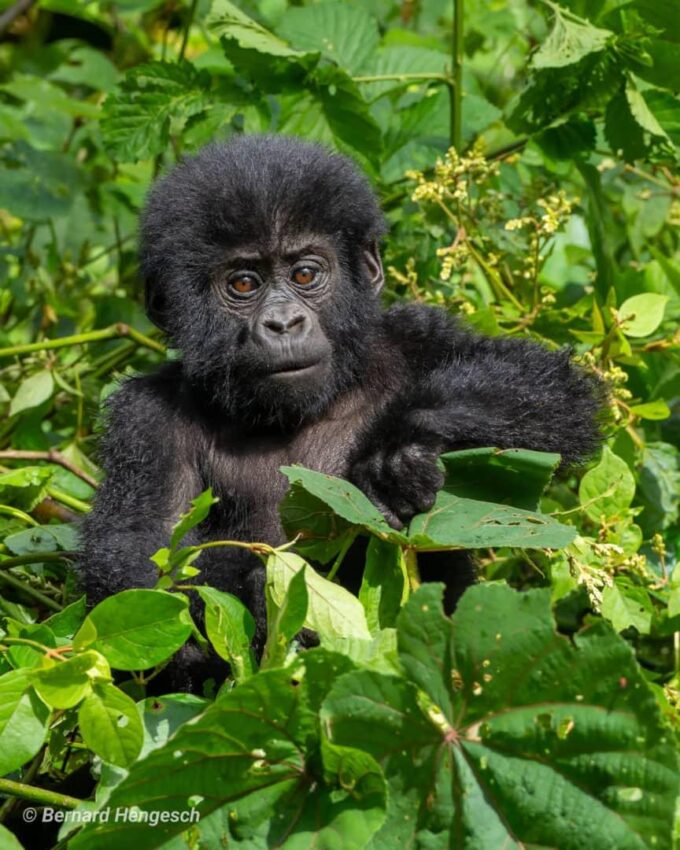

Discover the Latest Uganda Wildlife Safari Updates: Low Season Permits, New Tariffs & Exciting Adventures
Uganda, famously known as the “Pearl of Africa,” is home to some of the most breathtaking wildlife experiences in the world. From the majestic mountain gorillas of Bwindi Impenetrable National Park to the playful chimpanzees in Kibale National Park, the country offers safari adventures that remain etched in memory forever.
For travelers planning a trip to Uganda, Manya Africa Tours brings you the latest updates from the Uganda Wildlife Authority (UWA) to ensure you have the most up-to-date information before booking your adventure. These updates include the introduction of low-season permits, a revised tariff structure for 2027, changes to the reservation policy, and exciting news on the translocation of rhinos and chimpanzees.

1. Introduction of Low Season Permits: Affordable Wildlife Adventures
One of the most exciting updates for wildlife enthusiasts is the introduction of low-season permits by UWA. Understanding that travel can be expensive, Uganda has introduced discounted rates for safari permits during the months of April, May, and November.

Why the Low Season Matters
These months are considered “shoulder months” in Uganda’s tourism calendar. While the weather may be slightly wetter in April and May, and November marks the end of the short rains, these periods offer distinct advantages:
-
Lower tourist traffic: Enjoy wildlife experiences without the crowds.
-
Scenic landscapes: Lush greenery and flowing rivers enhance photographic opportunities.
-
Discounted permits: Save money while still experiencing world-class wildlife adventures.
Discounted Low-Season Rates
The new low-season rates apply to gorilla tracking and chimpanzee tracking:
| Activity | Foreign Non-Resident (FNR) | Foreign Resident (FR) |
|---|---|---|
| Gorilla Tracking | USD 600 | USD 500 |
| Chimpanzee Tracking | USD 200 | USD 150 |
Important: These discounted permits take effect immediately but cannot be rescheduled. Travelers are encouraged to book early to secure their slots.
By offering these discounted rates, Uganda is making its world-renowned wildlife experiences more accessible to global travelers while maintaining sustainable tourism practices.
2. Revised Tariff Structure Effective January 1, 2027
UWA has announced a new tariff structure for various wildlife activities, ensuring a balance between wildlife conservation and tourism growth. Here is a detailed look at the revised fees:
| Activity | Foreign Non-Resident (FNR) | Foreign Resident (FR) | East African Community (EAC) |
|---|---|---|---|
| Gorilla Tracking | USD 800 | USD 700 | 300,000 UGX |
| Gorilla Habituation | USD 1,800 | USD 1,600 | 750,000 UGX |
| Chimpanzee Tracking (KNP) | USD 300 | USD 200 | 180,000 UGX |
| Experiential Lion Tracking | USD 500 | USD 300 | 250,000 UGX |
| Rhino Tracking (Adults) Ajai Wildlife Reserve | USD 20 | USD 15 | 10,000 UGX |
Understanding Gorilla Tracking vs. Habituation

-
Gorilla Tracking: A thrilling trek through the forests of Bwindi or Mgahinga to observe gorillas in their natural habitat.
-
Gorilla Habituation: A unique, more immersive experience where visitors witness the process of gorillas becoming accustomed to human presence. This allows for extended observation opportunities and close interactions.
Chimpanzee Tracking and Lion Tracking
Chimpanzee tracking in Kibale National Park (KNP) offers one of the best primate experiences in Africa. With the revised rates, travelers can enjoy this adventure while contributing directly to conservation efforts. Similarly, Experiential Lion Tracking provides guided encounters with lions in controlled environments, ensuring safety and educational value.
Rhino Tracking
Uganda is making remarkable strides in rhino conservation. For just USD 20 (FNR), travelers can participate in rhino tracking experiences, supporting the protection of these critically endangered species.
3. Changes to the Reservation Policy: Ensuring Fair Access
Effective March 1, 2026, UWA has suspended the 7-day reservation window that previously allowed operators to hold permits without payment.
Old vs. New Policy
| Policy | Previous | Current |
|---|---|---|
| Reservation Window | Up to 7 days without payment | Permits secured only upon full payment |
| Goal | Flexibility for operators | Ensure fairness, confirmed bookings, improved permit availability |
This new approach benefits travelers by guaranteeing confirmed permits and reducing back-and-forth delays. Operators and tour companies, such as Manya Africa Tours, can now provide clients with certainty regarding permit availability.
4. Exciting Wildlife Updates: Rhinos & Chimpanzees
Uganda continues to innovate in wildlife conservation, and recent updates bring even more opportunities for tourists to engage with wildlife responsibly.

Translocation of Rhinos to Kidepo National Park
Around March 10, 2026, Uganda will see the translocation of rhinos to Kidepo National Park. This initiative is part of a larger effort to:
-
Expand rhino habitats
-
Promote genetic diversity
-
Enhance tourism opportunities in northern Uganda
Chimpanzee Updates in Bwindi Impenetrable National Park

Currently, Bwindi is home to 426 chimpanzees, primarily in the northern sector. While these chimps are yet to be habituated, once officially launched by UWA, visitors will have the rare chance to observe gorillas and chimpanzees in the same national park, alongside vibrant communities of local people.
This positions Uganda as one of the only destinations in the world where visitors can witness three key ape species, gorillas, chimpanzees, and humans, coexisting in a natural ecosystem.
5. Why These Changes Matter for Safari Travelers
These updates from UWA are more than just numbers and policies; they reflect Uganda’s ongoing commitment to sustainable tourism and wildlife conservation.
Benefits to Tourists
-
Affordable Safari Options: Low-season permits make once-expensive experiences accessible.
-
Guaranteed Permits: No more uncertainty with the new reservation system.
-
Diverse Wildlife Opportunities: From gorilla habituation to rhino tracking, Uganda now offers a broader spectrum of wildlife encounters.
-
Enhanced Conservation Efforts: Every permit contributes directly to wildlife protection and habitat preservation.
Benefits to Local Communities
-
Increased tourism revenue supports community development projects.
-
Conservation jobs empower local populations.
-
Tourism education promotes environmental awareness.
6. Planning Your Safari with Manya Africa Tours
At Manya Africa Tours, we specialize in crafting unforgettable Uganda safari experiences. With these new updates, we recommend planning early, especially for gorilla tracking, chimpanzee tracking, and rhino adventures.
Tips for a Successful Safari
-
Book early: Secure permits and accommodations well in advance.
-
Consider low-season travel: Enjoy discounted rates and fewer crowds.
-
Combine experiences: Pair gorilla tracking with chimpanzee trekking for a comprehensive wildlife adventure.
-
Stay informed: Keep track of UWA announcements for changes in policies or new wildlife launches.
Why Choose Manya Africa Tours?
-
Expert guides familiar with Uganda’s national parks.
-
Tailored itineraries for families, solo travelers, and wildlife photographers.
-
Strong partnerships with local communities and UWA to ensure responsible tourism.
7. Uganda Awaits You. Book With Us!
Uganda’s updated safari permits, revised tariffs, and new wildlife translocations signal an exciting era for travelers and conservationists alike. Whether you are trekking with gorillas in Bwindi, observing chimpanzees in Kibale, or participating in rhino conservation in Kidepo, Uganda offers experiences that are both life-changing and impactful.
By taking advantage of low-season permits and working with experienced tour operators like Manya Africa Tours, you not only enjoy unforgettable adventures but also contribute to the protection of Uganda’s precious wildlife.
Plan your journey today and witness the wonder of Uganda, where adventure meets conservation.