Why Do Tourists Visit Uganda?

Why Do Tourists Visit Uganda?
Uganda has earned its nickname, the “Pearl of Africa,” the hard way. It’s a matter of sheer density of experience. In a country roughly the size of the United Kingdom, you can trek through misty forest. There, you can sit near a family of mountain gorillas. Then, on the same trip, you can cruise the Nile beneath a wall of thundering water. Later, you can share a meal with a local family. All of this can happen within a single week.
So, why do tourists visit Uganda? Simply put, few destinations on earth offer this much variety in such a compact, accessible package. Uganda isn’t trying to be the biggest safari country in Africa. Instead, it offers depth. Think rare wildlife encounters, landscapes that shift from savannah to rainforest to snow-capped mountains, and a warmth from its people that visitors mention long after they’ve gone home.
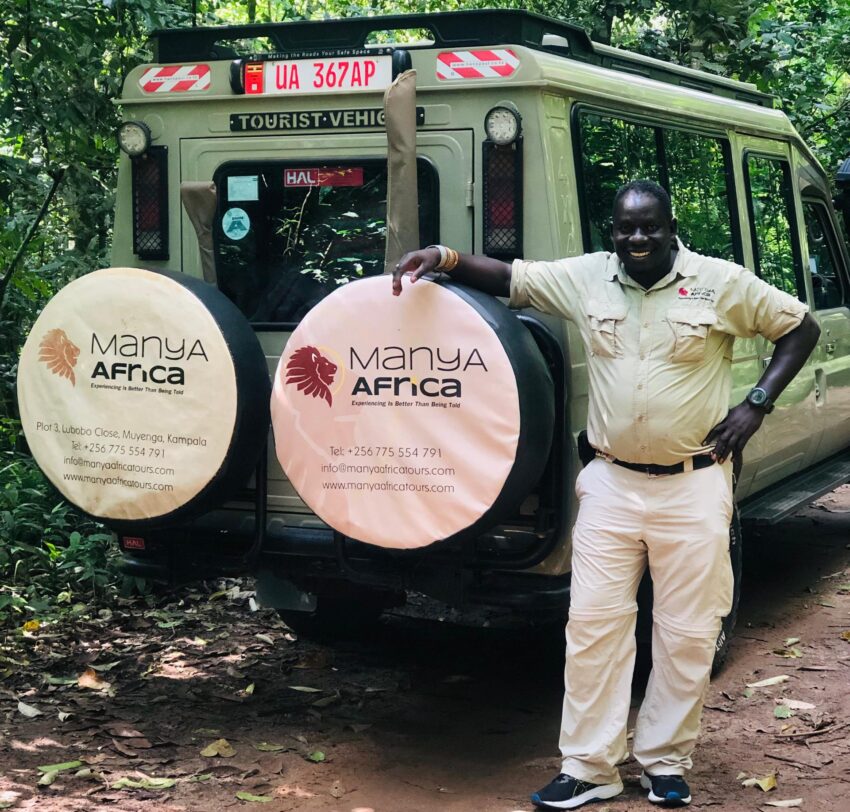
At Manya Africa Tours, we design Uganda safaris and gorilla trekking trips for travelers from all over the world. On top of that, we’ve spent plenty of time exploring the country ourselves. In this guide, we’ll walk through what actually draws tourists to Uganda, including a few things we’ve noticed firsthand.
The Warmth of the Ugandan People
Ask past visitors what stayed with them most. The answer is rarely just “the gorillas.” More often, it’s the people. Ugandans have a well-earned reputation for being friendly, welcoming, and genuinely helpful. This shows in the small moments. A ranger might take time to explain a plant’s local use, a driver might check in on how you’re really doing, or a village guide might be visibly proud to share their home.
In our own travels around the country, this hospitality has been consistent. From the capital, Kampala, right through to the most remote corners near Kidepo Valley, the welcome rarely changes. As a result, Uganda tourism keeps growing steadily. Visitors don’t just come for the wildlife; they come back because of how the country made them feel.
Uganda’s National Parks and Wildlife Diversity
Uganda punches well above its weight when it comes to wildlife. Despite its modest size, the country is home to an extraordinary range of species. Its national parks are consistently among the most interesting we’ve visited anywhere in East Africa. Each one has its own character, rather than feeling like a repeat of the last.
On a Uganda wildlife safari, it’s entirely possible to see elephants, lions, leopards, and giraffes. Hippos, buffaloes, and a long list of antelope species round out the picture. Often, you’ll spot several of these within the same national park. What’s more, gorillas and chimpanzees add species you won’t find on a typical East African safari. As a result, Uganda quickly becomes one of the most complete wildlife destinations on the continent.
The quality of service across Uganda’s tourism and hospitality industry has also impressed us consistently. Ranger guides are attentive, lodges are well run, and safari operators generally take genuine pride in getting the details right. Overall, this is a big part of what makes a Uganda safari feel effortless, even in the country’s more remote parks.
Mountain Gorilla Trekking in Bwindi and Mgahinga
This is the experience most people associate with Uganda, and for good reason. Uganda is home to roughly half of the world’s remaining mountain gorilla population. Most of these gorillas live in Bwindi Impenetrable National Park. The rest are found in the smaller Mgahinga Gorilla National Park in the southwest.

Gorilla trekking in Bwindi involves hiking through dense, ancient rainforest. Sometimes the hike takes a couple of hours; other times, it takes longer. Eventually, though, you come face to face with a gorilla family in the wild. The experience is physically demanding and unpredictable, yet genuinely emotional. For instance, spending an hour observing a silverback and his family go about their day is hard to put into words. You’ll understand once you’ve had it yourself.
Explore our 5-Day Uganda Safari with Gorilla Tracking
Chimpanzee Tracking in Kibale Forest
Kibale Forest National Park is widely regarded as the primate capital of East Africa. It’s home to around 1,500 chimpanzees, along with several other primate species. Tracking chimpanzees here has a completely different rhythm from gorilla trekking. Chimps move fast, communicate loudly, and rarely sit still for long. Following them through the forest canopy can be exciting, and at times breathless. Because of this contrast, many travelers combine chimpanzee tracking with gorilla trekking on the same trip. That gives them a genuine primate double feature that few other countries can offer.
View our 6-Day Chimpanzee and Gorilla Tracking Tour
Queen Elizabeth National Park
Queen Elizabeth National Park is one of Uganda’s most visited parks, and it’s easy to see why. Its landscapes shift constantly between open savannah, crater lakes, dense forest, and wetland channels. Consequently, the wildlife on offer is just as varied.
Tree-Climbing Lions in Ishasha
The Ishasha sector sits in the southern part of the park. It’s famous for one of Africa’s rarest wildlife quirks: tree-climbing lions. Unlike most lions, which rest on the ground, Ishasha’s lions regularly climb into fig trees. There, they escape the heat and biting flies. Even seasoned safari-goers find this sighting remarkable.

Boat Safaris on the Kazinga Channel
A boat safari along the Kazinga Channel is one of the best wildlife-viewing experiences in the park. The channel connects Lake Edward and Lake George. Hippos gather by the hundreds, crocodiles bask along the banks, and buffalo herds pass through regularly. On top of that, an outstanding variety of waterbirds lines the banks, often at extremely close range from the water.
Murchison Falls and the River Nile
In the country’s northwest, the Victoria Nile is forced through a gap in the rock just seven meters wide. Then, it explodes into Murchison Falls, one of the most powerful waterfalls in the world by force of water. It’s a dramatic sight. Visitors come as much for the raw energy of the falls as for the wildlife around them.
Murchison Falls National Park offers excellent game drives. However, the boat safari along the Nile below the falls is often the highlight. Elephants and buffalo come down to drink. Huge pods of hippos gather in the shallows, and enormous Nile crocodiles line the banks. Meanwhile, there’s a real chance of spotting the elusive shoebill stork among the papyrus.
Discover our 8-Days-Uganda-Safaris-with-Authentic-Homestays
Kidepo Valley National Park: Remote Wilderness
Kidepo Valley National Park is tucked away in Uganda’s far northeast, on the border with South Sudan and Kenya. It’s one of Africa’s most remote and least-visited parks. That, in fact, is exactly its appeal. Rugged mountains and vast semi-arid valleys dominate the scenery. Wildlife rarely seen elsewhere in Uganda, including cheetahs and ostriches, roams here. As a result, Kidepo is a favorite for travelers seeking a genuine off-the-beaten-path safari far from the crowds.

Lake Mburo National Park
Lake Mburo National Park is Uganda’s smallest savannah park. It’s also one of the few parks where walking safaris are permitted. That lets visitors get closer to zebras, impalas, and buffalo than a vehicle usually allows. Its location is roughly halfway between Kampala and the parks of the southwest. That makes it a convenient, worthwhile stop for travelers heading toward Bwindi.
The Rwenzori Mountains: Africa’s Mountains of the Moon
For hikers, the Rwenzori Mountains offer one of the more unusual trekking experiences in Africa. Glacial peaks sit almost on the equator, surrounded by surreal Afro-alpine vegetation found in very few places on earth. Multi-day treks here are demanding. In return, they reward hikers with dramatic scenery and a genuine sense of wilderness, far from Uganda’s more popular safari circuits.
Lake Bunyonyi’s Scenic Beauty
After days of trekking or game drives, many travelers head to Lake Bunyonyi to unwind. Terraced hillsides plunge into a deep, island-dotted lake, and the pace here slows right down. Whether canoeing, birdwatching, or simply relaxing on a lodge terrace with a view, visitors often call it one of the most beautiful spots in Uganda. It also makes an excellent final stop after gorilla trekking in nearby Bwindi.
The Source of the Nile and Adventure in Jinja
In the town of Jinja, the Nile begins its journey of more than 6,000 kilometers to the Mediterranean. As a result, the town has grown into East Africa’s adventure tourism hub. White-water rafting through the Nile’s rapids is the star attraction. Beyond that, the area also offers kayaking, bungee jumping, quad biking, and boat trips to the source itself. It’s a strong option for travelers looking to add adrenaline to their Uganda itinerary.
Uganda’s Forests, Lakes, and Varied Landscapes
Part of what makes Uganda so rewarding to explore is how quickly its landscape changes. Within a single trip, travelers can move through dense tropical rainforest, open savannah, volcanic highlands, wetlands, and freshwater lakes. That includes a share of Lake Victoria, Africa’s largest lake. This diversity of forests, lakes, wetlands, mountains, and waterfalls is why each of Uganda’s national parks feels genuinely distinct from the last.
Cultural Tourism in Uganda
Uganda is home to more than 50 ethnic groups, each with its own language, traditions, music, and customs. As a result, cultural tourism has become an increasingly important part of any well-rounded Uganda itinerary. Visitors can watch traditional dance performances and learn local crafts. They can also visit community projects that offer a genuine sense of daily life beyond the safari vehicle.
These interactions add real depth to a trip. For example, hearing stories directly from community elders adds real texture. So does watching drummers and dancers perform routines passed down for generations, or browsing handmade crafts in a local market. In short, it turns a wildlife-focused trip into something more complete.
Ugandan Food and Local Cuisine
Ugandan cuisine is hearty, comforting, and deeply tied to the land. Staples like matoke (steamed green banana), posho, and groundnut stews are often served alongside grilled meats and fresh tropical fruit. Meanwhile, Ugandan coffee, grown in the country’s fertile highlands, ranks among the best in the region. Trying local food along the way is a simple, memorable way to connect with the culture beyond the parks.
Birdwatching in Uganda
With over 1,000 recorded bird species, Uganda is one of Africa’s premier birdwatching destinations. As a result, it draws dedicated birders from around the world. Wetlands, forests, and savannahs each bring their own specialities into view over the course of a trip.

Among Uganda’s birdlife, the shoebill stands out as a particular favorite. This tall, prehistoric-looking bird has an enormous shoe-shaped bill. It’s most reliably spotted in the swamps around Murchison Falls and Mabamba Bay. It’s a memorable sighting. Still, it’s just one highlight among the country’s huge variety of birdlife, rather than the main reason most people visit.
Adventure Tourism Beyond the Safari Vehicle
Uganda rewards travelers who want to get out of the vehicle. Beyond gorilla trekking and white-water rafting, the country also offers:
- Guided nature walks through forest reserves
- Boat trips along the Nile and Kazinga Channel
- Multi-day mountain hikes in the Rwenzoris
- Mountain biking and quad biking around Jinja
- Canoeing on crater lakes and Lake Bunyonyi
Overall, this mix of adventure activities is part of what keeps Uganda appealing. It suits both first-time safari travelers and more experienced ones looking for something different.
Community-Based Tourism
Many of Uganda’s most memorable experiences happen at the community level. Village walks, homestays, and locally run projects near parks like Bwindi and Kibale give travelers a direct way to support local communities. These are the communities living alongside the wildlife. At the same time, they offer a far more personal glimpse into everyday Ugandan life. It’s a view no standard game drive could provide.
See our 8-Day Uganda Safari with Authentic Homestays
One Country, Every Kind of Experience
Perhaps the single biggest reason tourists choose Uganda is that it rarely feels like just one type of trip. In a single itinerary, it’s possible to combine:
- Mountain gorilla trekking and chimpanzee tracking
- Big-game safari and boat safaris on the Nile
- World-class birdwatching
- Cultural immersion with local communities
- Mountain hiking and white-water adventure
Few destinations anywhere in Africa allow travelers to move between primates, plains game, mountains, and rivers so easily, and all without long transfers between stops. Ultimately, it’s exactly this combination that keeps Uganda near the top of serious Africa travel lists.
Browse our full range of Uganda safari packages
Why Not Uganda for Your Next African Adventure?
So, why do tourists visit Uganda? In short, it delivers rare wildlife encounters you can’t easily find elsewhere. It also offers landscapes that change dramatically from region to region. Add a rich, welcoming culture, and you get a level of variety that’s genuinely hard to match in a single trip. Ultimately, it’s a country that rewards curiosity. It consistently exceeds expectations for travelers who arrive without quite knowing what to expect.
If Uganda has been on your travel list, there’s no better time to start planning. Our team at Manya Africa Tours can help you build the right Uganda itinerary. That might be a focused gorilla trekking trip, a big-game and primate combination, or a longer journey through the country’s national parks and communities.
Explore our 12-Day Pearls of Uganda Safari
View our 14-Day Uganda Wildlife Tour
Frequently Asked Questions About Visiting Uganda
What is the best time of year to visit Uganda?
Uganda can be visited year-round. That said, the driest months, roughly December to February and June to September, are generally best for gorilla trekking and game drives. Trails are less muddy then, and wildlife viewing is easier.
How many days do I need for a Uganda safari?
A focused gorilla trekking trip can be done in as little as 4–5 days. However, most travelers spend 8–14 days. That gives them time to combine gorilla trekking, a wildlife safari in Queen Elizabeth or Murchison Falls, and some cultural or adventure activities.
Is gorilla trekking difficult?
Gorilla trekking involves hiking through forest terrain that can be steep, muddy, and unpredictable. Treks can last anywhere from one to several hours each way. Still, a reasonable level of fitness usually helps. Porters are available to assist, and guides set the pace according to the group.
Can I combine gorilla trekking with chimpanzee tracking?
Yes, and this is one of the most popular ways to experience Uganda’s primates. Many itineraries combine gorilla trekking in Bwindi with chimpanzee tracking in Kibale Forest on the same trip.
Is Uganda safe for tourists?
Uganda’s national parks and main tourist circuits are well established for tourism. In general, they’re safe for visitors who follow standard travel precautions. Still, traveling with an experienced local operator adds an extra layer of guidance and support. Manya Africa Tours is one such operator, offering support throughout your trip.
Useful External Resources for Planning Your Trip
For further reading and official travel information, the following authoritative resources are useful when planning a trip to Uganda with: Uganda Wildlife Authority.
Ready to Explore Uganda?
Let Manya Africa Tours help you plan a Uganda trip built around what matters most to you, whether that’s gorilla trekking, big-game safari, birdwatching, or cultural immersion. Get in touch with our team to start planning your Uganda safari today.