Why Tourists Visit Kenya

Why Do Tourists Visit Kenya?
Ask anyone who has been on a Kenya safari what they remember most, and you rarely hear “the lions” as the whole answer. They’ll mention the lions, yes but also the sound of the savannah at dawn, the warmth of a Maasai greeting, the smell of nyama choma on the grill, or the moment a wave of wildebeest thundered across the Mara River. Kenya has a way of turning a holiday into a story you tell for years.
So, why do tourists visit Kenya? The short answer is that few countries on earth pack so much variety into one trip. In Kenya, you can watch the Big Five at sunrise, sip a cocktail on a white-sand beach by sunset, and share a meal with a Maasai family the next morning all without leaving the same itinerary. This is why Kenya remains one of Africa’s leading safari and travel destinations, drawing millions of international and local tourists every year.
At Manya Africa Tours, we’ve spent years helping travelers experience Kenya at its best. In this guide, we’ll walk through the people, places, and experiences that make Kenya tourism so special including a few observations from our own time exploring the country.
The Warmth of the Kenyan People
Long before travelers talk about the wildlife, they talk about the people. Kenyans are known across Africa and beyond for being genuinely friendly, welcoming, and helpful the kind of hospitality that puts nervous first-time visitors at ease within minutes.
From our own experience traveling around Kenya, this reputation is well earned. Whether it’s a safari guide patiently explaining animal behavior, a hotel host remembering your name after one meeting, or a stranger in Nairobi going out of their way to help with directions, the warmth is consistent and unforced. It’s one of the quiet reasons Kenya tourism keeps growing people don’t just come back for the wildlife, they come back for how the country made them feel.
Nairobi National Park: Wildlife on the City’s Doorstep
One of the most unusual and genuinely special experiences in Kenya is Nairobi National Park. Where else in the world can you watch lions, rhinos, and giraffes with a modern city skyline rising in the background?

Nairobi National Park sits just a few kilometers from the heart of Nairobi, making it entirely possible to go on a morning safari and be back in the city for lunch. In our own visits, this contrast never stopped feeling surreal: one moment you’re photographing a black rhino grazing quietly, the next you’re looking up to see skyscrapers on the horizon. It’s a powerful introduction to Kenya wildlife for travelers who are short on time, and a fantastic first (or last) stop for anyone flying in or out of Jomo Kenyatta International Airport.
The park is also one of the few places in Africa where you have a realistic chance of spotting the endangered black rhino, alongside lions, cheetahs, giraffes, buffalos, and over 400 recorded bird species making it a rewarding stop even for travelers headed on a longer Masai Mara safari afterward.
World-Class Service and Hospitality
Kenya’s tourism industry has matured over decades, and it shows. From boutique tented camps in the bush to beachfront resorts on the coast, the quality of service in Kenya consistently impresses visitors, especially those who assumed a safari would mean roughing it.
In our experience, this attention to detail runs through the entire trip attentive safari guides who seem to know exactly when a leopard is about to move, lodges that anticipate dietary needs without being asked twice, and drivers who treat every game drive like it’s their first. It’s a big part of why Kenya travel experiences feel so polished compared to many other destinations, and why repeat visitors keep choosing Kenya over the years.
A Land of Incredible Wildlife and Safari Diversity
Kenya is one of the very few countries where you can genuinely tailor a safari to your interests. Prefer open savannah and dramatic river crossings? Head to the Mara. Want dramatic mountain backdrops? Amboseli delivers. Curious about marine life? The coast offers snorkeling and diving alongside dolphins and whale sharks.
The Big Five and Beyond
No conversation about Kenya wildlife is complete without mentioning the Big Five lion, leopard, elephant, buffalo, and rhino. Kenya’s national parks and reserves offer some of the best odds in Africa of seeing all five on a single trip, particularly in the Masai Mara, Amboseli, and Lake Nakuru National Park.
Same Species, Different Look: A Personal Observation
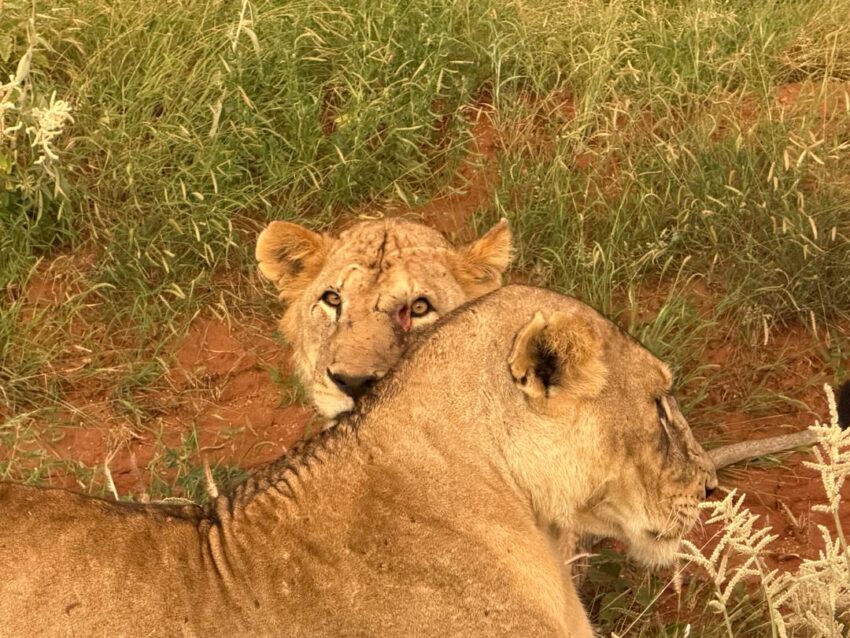
One of the more fascinating things we’ve noticed traveling across different regions of Kenya is how much lions can vary depending on where they live. Lions in the cooler highlands, for example, often appear with darker, fuller manes, while lions in hotter, more open plains tend to have lighter, sparser manes suited to the heat. It’s a small detail, but it adds a layer of discovery to every game drive you start to notice these subtle differences between regions, and it makes every sighting feel a little more unique, even if you’ve seen dozens of lions before.
The Masai Mara National Reserve and the Great Migration
If there’s one place that defines Kenya safari for most travelers, it’s the Masai Mara National Reserve. Rolling grasslands stretching to the horizon, dramatic sunsets, and an almost unbelievable concentration of wildlife make the Mara one of the most celebrated safari destinations on the planet.
The Mara is world-famous as the stage for the Great Migration, when over a million wildebeest, along with hundreds of thousands of zebra and gazelle, cross from Tanzania’s Serengeti into Kenya in search of fresh grazing. The river crossings with crocodiles waiting in the water and predators stalking the banks are some of the most dramatic wildlife scenes anywhere on earth.
5-Day Kenya Safari and other packages.
Amboseli National Park and Views of Mount Kilimanjaro
Amboseli National Park offers a different kind of magic: herds of elephants moving across open plains with Mount Kilimanjaro Africa’s tallest peak rising dramatically in the background, even though the mountain itself sits just across the border in Tanzania. It’s one of the most photographed backdrops in African tourism, and for good reason.
Kenya’s Beautiful Beaches
After days on safari, many travelers head straight to the coast — and it’s easy to see why. Kenya’s beaches, particularly along Mombasa and the wider Kenyan coast, offer powder-soft white sand, warm turquoise water, and a laid-back Swahili coastal culture that feels worlds away from the savannah.
Diani Beach
Diani Beach consistently ranks among the best beaches in Africa, and it’s a firm favorite for good reason. Think swaying palm trees, calm waters protected by an offshore coral reef, and enough water sports kite surfing, snorkeling, diving, and dhow sailing trips to keep even non-beach-lovers entertained. Combining a Kenya safari with a few days on Diani Beach is one of the most popular ways to experience the country, and one we’d recommend to almost anyone planning a Kenya trip.

Discover our 4-Day Kenya Beach Holiday
Mount Kenya and Adventure Tourism
For travelers who want more than wildlife viewing, Mount Kenya Africa’s second-highest peak offers spectacular multi-day trekking through changing landscapes, from rainforest and bamboo forest to alpine moorland and glacial peaks. You don’t need mountaineering experience to enjoy shorter routes, making it accessible for a wide range of fitness levels.
Beyond the mountain, Kenya’s adventure tourism scene includes hot-air balloon rides over the Mara at sunrise, white-water rafting, mountain biking, and world-class scuba diving and snorkeling along the coral reefs of the coast.
Kenyan Culture, Community, and Maasai Traditions
Kenya is home to more than 40 different ethnic communities, each with its own traditions, languages, and stories. Cultural tourism has become an important part of any Kenya travel itinerary, giving visitors the chance to move beyond wildlife and connect with the people who call this land home.
The Maasai are perhaps the most recognizable of Kenya’s communities to international visitors, known for their striking red shúkàs, intricate beadwork, and deep, centuries-old relationship with the land and its wildlife. Visiting a Maasai village, learning about traditional customs, and hearing firsthand how communities coexist with wildlife adds real depth to a Kenya safari turning it from a wildlife trip into a genuine cultural exchange.
Kenyan Food and Local Cuisine
Food is an underrated reason tourists fall in love with Kenya. Nyama choma (grilled meat) shared with friends, ugali paired with rich stews, fresh Swahili coastal dishes infused with coconut and spice, and some of the best coffee and tea in the world Kenyan cuisine is comforting, flavorful, and deeply tied to the country’s culture. Trying local food is one of the simplest, most memorable ways to connect with Kenya beyond the safari vehicle.
Nairobi: A Modern African City
Many international itineraries begin and end in Nairobi, and the city has plenty to offer beyond being a gateway. Kenya’s capital blends contemporary restaurants, rooftop bars, art galleries, and buzzing nightlife with cultural landmarks like the Karen Blixen Museum, the Nairobi National Museum, and the Giraffe Centre, where visitors can hand-feed endangered Rothschild’s giraffes at eye level.
A Birdwatching Paradise

With over 1,100 recorded bird species, Kenya is one of the top birdwatching destinations in the world. From the flamingo-lined shores of Lake Nakuru to the raptors of the Mara and the coastal species around Diani, birdwatchers can easily fill an entire trip chasing sightings and even non-birders tend to come away impressed by the sheer variety on display.
Family-Friendly Tourism
Kenya has grown into one of Africa’s most family-friendly safari destinations. Many lodges and camps offer family tents, kid-focused ranger activities, and shorter game drives designed with younger travelers in mind making it entirely possible to introduce children to the magic of the African bush safely and comfortably.
Kenya’s Climate and Diverse Landscapes
Kenya’s location on the equator, combined with its varied altitude, gives it a remarkably diverse climate and landscape for a single country. Within a few hours’ drive, you can move from the cool highlands around Nairobi, to the arid plains of the north, to lush coastal forest, to snow-capped peaks on Mount Kenya. This variety is part of what allows Kenya to offer such a wide range of tourist attractions within one trip.
Easy Accessibility for International Travelers
Kenya is one of the more accessible African safari destinations for international visitors. Jomo Kenyatta International Airport in Nairobi connects to major hubs across Europe, the Middle East, Asia, and Africa, an eTA (electronic travel authorization) system has simplified entry requirements, and a well-developed tourism infrastructure means both first-time and experienced Africa travelers can plan a trip with confidence.
One Destination, Every Kind of Trip
Perhaps the biggest reason tourists visit Kenya again and again is that it rarely feels like just one type of holiday. In a single trip, you can combine:
- World-class safari and Big Five wildlife viewing
- Beach relaxation on the Kenyan coast
- Cultural exchange with the Maasai and other communities
- Mountain trekking and outdoor adventure
- City life, dining, and nightlife in Nairobi
Few destinations anywhere in the world offer this level of variety without long, complicated travel between stops and it’s exactly what keeps Kenya near the top of every serious Africa travel bucket list.
Why Not Kenya for Your Next African Holiday?
So, why do tourists visit Kenya? Because it delivers all reasons people travel in the first place, unforgettable wildlife, genuine cultural connection, warm and welcoming people, beautiful beaches, and landscapes that shift dramatically from region to region. It’s a country that rewards both first-time visitors and those returning for a second or third safari.
If Kenya has been on your travel list, there’s no better time to start planning. Our team at Manya Africa Tours can help you build the perfect Kenya itinerary, whether that’s a classic Masai Mara safari, a family-friendly wildlife adventure, or a safari-and-beach combination ending on the shores of Diani Beach.
Frequently Asked Questions About Visiting Kenya
What is the best time of year to visit Kenya?
The dry seasons (roughly June to October and January to February) are generally considered the best time for a Kenya safari, with July to September being ideal for witnessing the Great Migration river crossings in the Masai Mara.
Is Kenya safe for tourists?
Popular tourist areas, national parks, and coastal resorts in Kenya are well-established for tourism and generally safe for visitors who follow standard travel precautions. Traveling with a reputable local operator, such as Manya Africa Tours, adds an extra layer of guidance and support.
How many days do I need for a Kenya safari?
A good introductory Kenya safari typically runs 5–7 days, allowing time for at least two parks or reserves. Travelers wanting to combine safari with beach time on the coast often extend their trip to 10–14 days.
Can I combine a Kenya safari with a beach holiday?
Yes, this is one of the most popular ways to experience Kenya. Many itineraries combine a few days in the Masai Mara or Amboseli with time relaxing on Diani Beach or the wider Mombasa coastline.
What makes Kenya different from other African safari destinations?
Kenya’s combination of accessibility, wildlife diversity, cultural richness, and the ability to pair safari with beach and city experiences in one trip sets it apart from many other African destinations.
Useful External Resources for Planning Your Trip
For further reading and official travel information, these authoritative resources are useful when planning a trip to Kenya- Kenya Wildlife Service (KWS)
Ready to Explore Kenya?
Let Manya Africa Tours help you plan a Kenya trip built around what matters most to your wildlife, beaches, culture, or a bit of everything. Get in touch with our team to start planning your Kenya safari today.